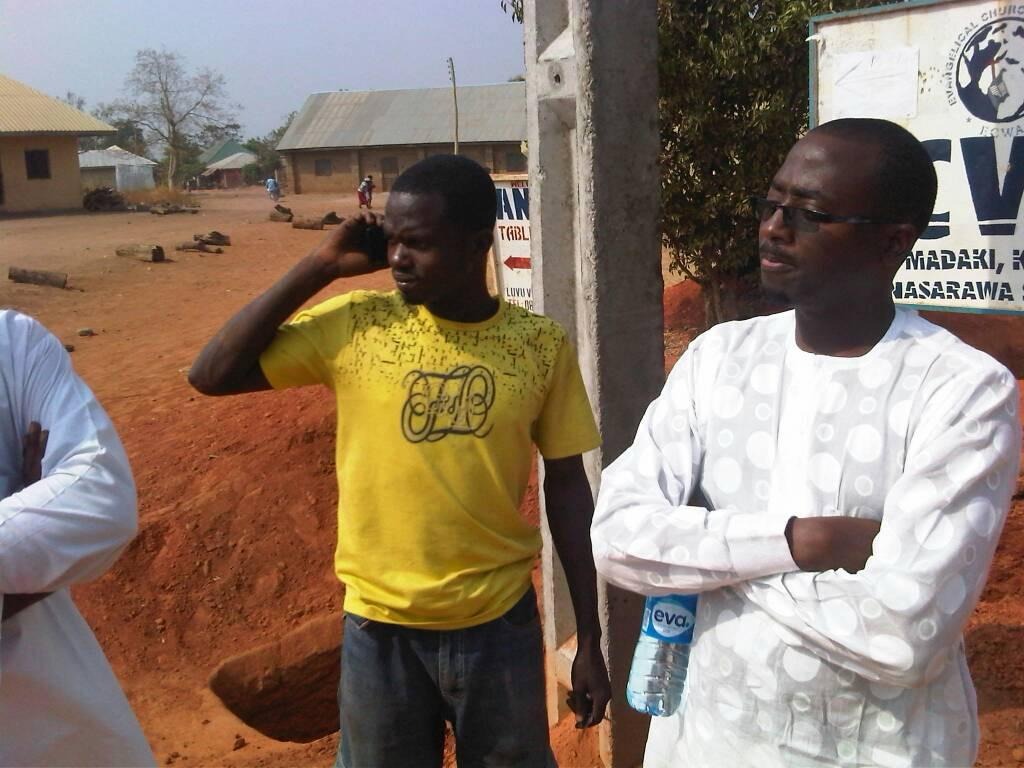
In 2011 and 2012, in Nasarawa and several satellite communities surrounding Abuja, there were areas that had not yet been connected to the national electricity grid. When we began working with communities in those areas to expand electricity access, the work involved far more than technical installation. It required engagement with residents, community leaders, and households that understandably wanted to know why we were there and what the project meant for their daily lives.
In the early stages, those conversations required patience and clarity. People wanted to understand the purpose of the work, how it would affect their communities, and whether the effort would truly improve daily life. As we moved from one community to another, we gradually learned how to navigate those conversations more effectively—listening carefully, answering questions directly, and working through local concerns in ways that built trust.
Nigeria and the United States differ in geography, history, and scale, yet both societies share cultural habits that shape how people approach economic life and opportunity.
In both countries, initiative is respected. Individuals who work hard, build businesses, and create opportunities for themselves and their families are widely admired. The story of starting small and growing through persistence and effort is familiar in both societies.
Entrepreneurship often begins at the community level. Small businesses frequently emerge from individual initiative—local shops, service businesses, and family-run enterprises that respond directly to neighborhood demand. In both Nigeria and the United States, these small-scale ventures often grow into larger operations over time.
Family and community also play an important role in daily life. In many Nigerian communities, extended families remain closely connected, and social life frequently revolves around gatherings, celebrations, and shared activities. In the United States, family traditions and community networks likewise remain central to social and economic life.
Weekend culture offers another example of these similarities. In both countries, sports serve as a gathering point for families and friends. Whether it is football in Nigeria or football, basketball, and baseball in the United States, weekends often bring people together to watch games, socialize, and spend time within their communities.

These cultural patterns reflect deeper similarities in how both societies view work and opportunity. Hard work, perseverance, and the ability to build something through effort are values widely recognized and respected.
Many of the differences people assume are cultural are often structural. Where infrastructure is more reliable, institutions are more predictable, and economic systems are more stable, the similarities in how people approach work, family, and enterprise become easier to see.
In that sense, the distance between Nigeria and the United States is often overstated. In both societies, people respond to opportunity, respect hard work, and build when conditions allow them to do so.