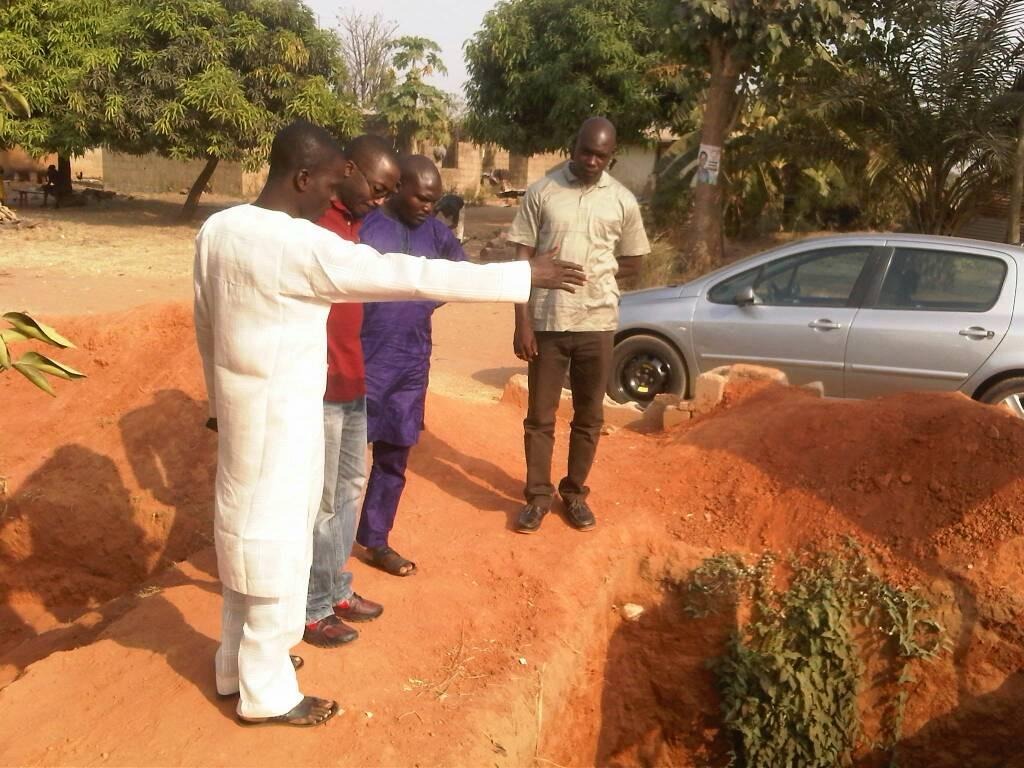
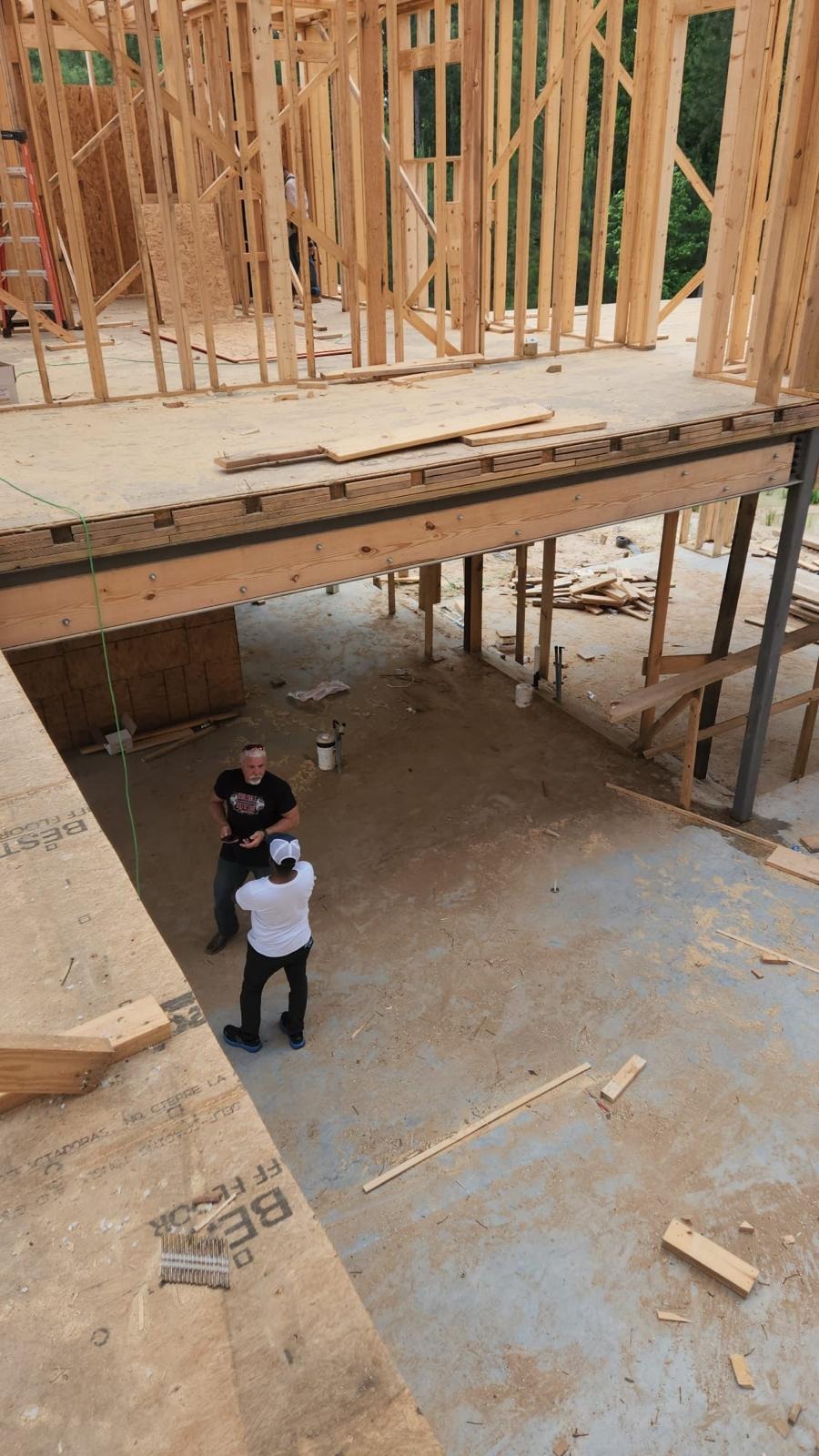
In 2011 and 2012, in Nasarawa and several satellite communities surrounding Abuja, there were areas that had not yet been connected to the national electricity grid. When we began working with communities in those areas to expand electricity access, the work involved far more than technical installation. It required engagement with residents, community leaders, and households that understandably wanted to know why we were there and what the project meant for their daily lives.
In the early stages, those conversations required patience and clarity. People wanted to understand the purpose of the work, how it would affect their communities, and whether the effort would truly improve daily life. As we moved from one community to another, we gradually learned how to navigate those conversations more effectively—listening carefully, answering questions directly, and working through local concerns in ways that built trust.
Over time, the work became deeply rewarding. What began as careful community engagement eventually turned into something I came to genuinely enjoy. It was meaningful to see how communities gradually embraced the projects and how access to electricity began to change daily routines and local economic activity.
Once electricity became available, one of the clearest observations was how quickly local economic life responded.

Within a relatively short period of time, everyday commercial activity began to expand. Barber shops opened their doors, salons extended their hours, restaurants began operating later into the evening, and neighborhood retail shops increased their activity. Bars and weekend viewing centers also became gathering places where residents could watch football matches together and spend time socially after the day’s work.
Electricity did not create ambition within these communities; it enabled it. The entrepreneurial drive already existed. What electricity provided was the infrastructure that allowed that energy to translate into daily economic productivity.
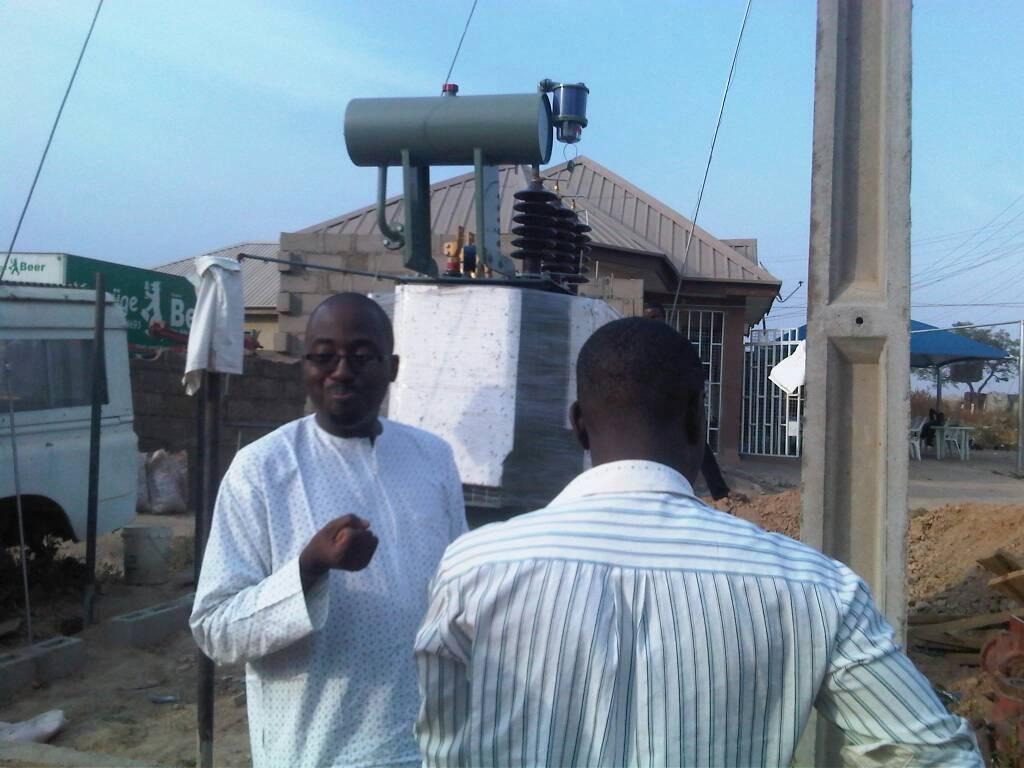
Reliable electricity changes the rhythm of a community. Evening hours become economically useful, businesses gain the ability to operate lighting and basic equipment, and households become more active participants in local commerce. Land that once had limited activity begins to attract new construction and small-scale enterprise.
One detail from that period stayed with me years later. As part of the electrification work, we created simple street numbering systems so that each home connected to the grid could be identified and tracked. We printed the numbers on small address plates that included our company logo and installed them at the houses.
More than a decade later, someone unexpectedly shared a photograph of one of those address plates still attached to a home. Seeing that image years after the project had ended was a quiet reminder of the lasting impact that basic infrastructure can have on communities.
The work also led to relationships that lasted well beyond the initial project period. Some of the local workers we engaged in those communities remained with the company until that business line concluded several years later, and some of those relationships continue to this day.
Experiences like these highlight a broader reality about economic development: infrastructure often unlocks the productivity that already exists within communities. When reliable systems such as electricity become available, local economies frequently expand in ways that are both immediate and visible.
Electricity becomes more than a technical service. It becomes a platform upon which small businesses, household commerce, and community life can grow.