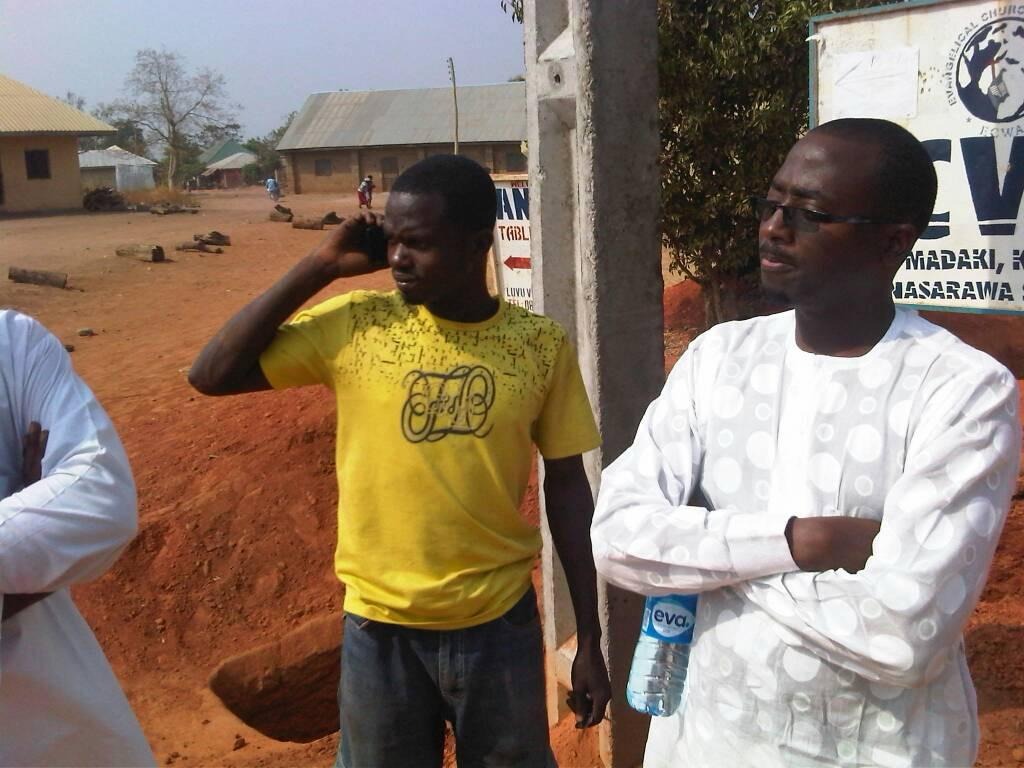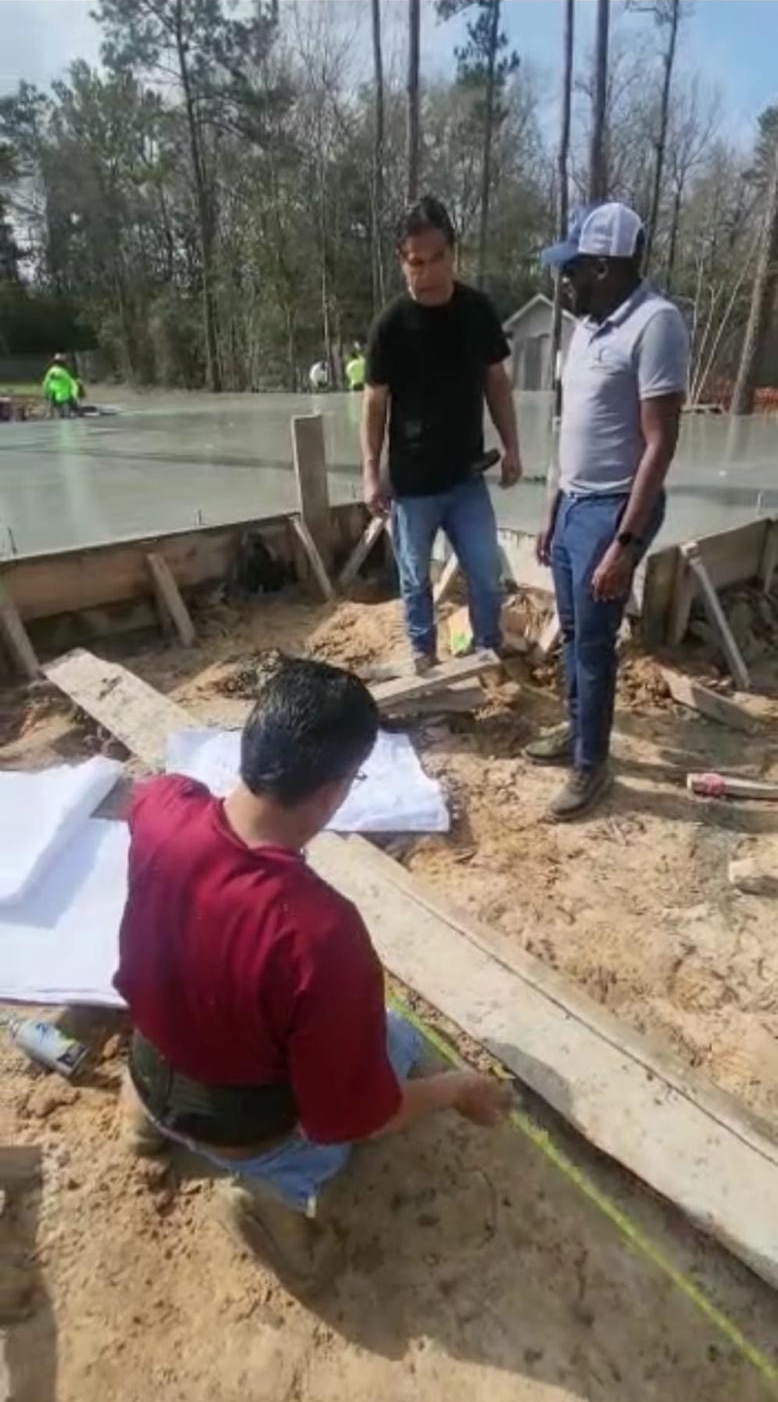
In 2011 and 2012, in Nasarawa and several satellite communities surrounding Abuja, there were areas that had not yet been connected to the national electricity grid. When we began working with communities in those areas to expand electricity access, the work involved far more than technical installation. It required engagement with residents, community leaders, and households that understandably wanted to know why we were there and what the project meant for their daily lives.
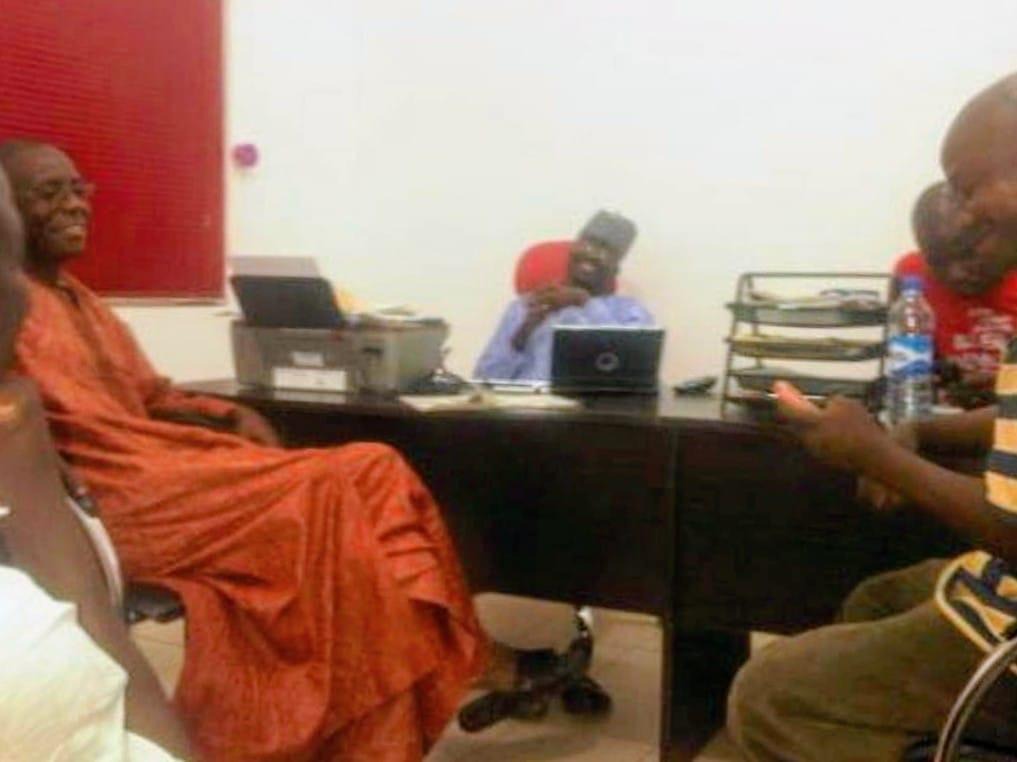
In the early stages, those conversations required patience and clarity. People wanted to understand the purpose of the work, how it would affect their communities, and whether the effort would truly improve daily life. As we moved from one community to another, we gradually learned how to navigate those conversations more effectively—listening carefully, answering questions directly, and working through local concerns in ways that built trust.
For decades, suburban development in the United States has followed a recognizable pattern. Residential communities expand outward from major cities through standardized housing designs, automobile-oriented road systems, and zoning structures that separate residential, commercial, and recreational spaces.
This model has supported large-scale housing growth and remains a defining feature of the American landscape. However, evolving technologies and changing expectations are prompting renewed conversations about how future communities might be designed.
In different parts of the world, new residential developments are experimenting with planning models that integrate housing with infrastructure, energy efficiency, and mixed-use spaces. These communities often combine modern architectural approaches with pedestrian-friendly environments and more flexible urban design.
In 2011 and 2012, in Nasarawa and several satellite communities surrounding Abuja, there were areas that had not yet been connected to the national electricity grid. When we began working with communities in those areas to expand electricity access, the work involved far more than technical installation. It required engagement with residents, community leaders, and households that understandably wanted to know why we were there and what the project meant for their daily lives.
In the early stages, those conversations required patience and clarity. People wanted to understand the purpose of the work, how it would affect their communities, and whether the effort would truly improve daily life. As we moved from one community to another, we gradually learned how to navigate those conversations more effectively—listening carefully, answering questions directly, and working through local concerns in ways that built trust.
The United States possesses substantial architectural expertise, engineering talent, and construction capacity. Advances in building materials, renewable energy integration, and modern planning techniques now make it possible to develop residential communities that reflect contemporary design while maintaining affordability and long-term efficiency.
Housing development will remain a critical part of economic growth. As populations expand and urban areas evolve, new approaches to suburban design may offer opportunities to rethink how communities are structured.
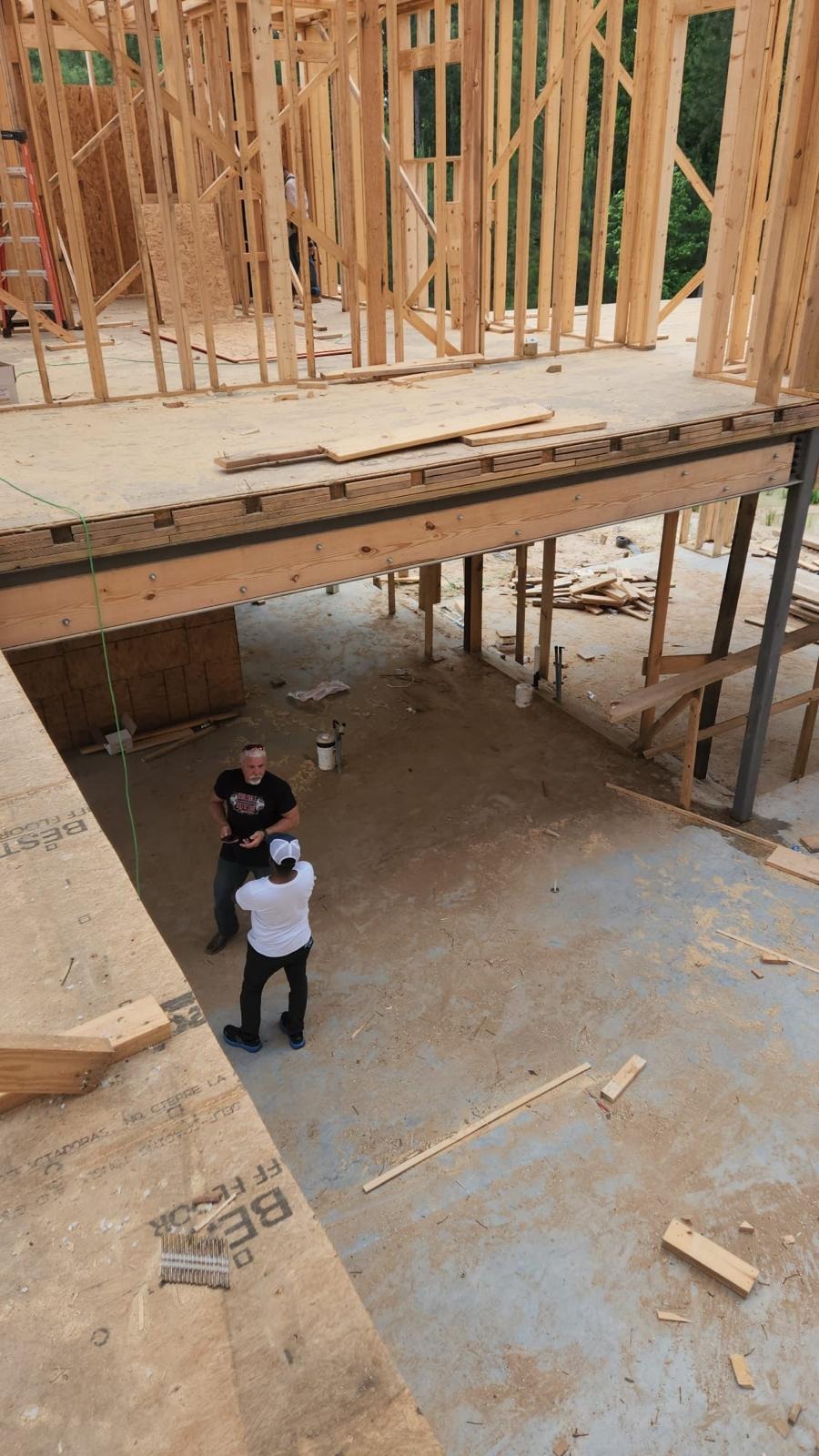
Future developments may integrate energy-efficient homes, improved transportation connectivity, and community-oriented spaces that encourage interaction between residents. At the same time, modern construction methods can help improve durability, environmental performance, and long-term infrastructure resilience.
Reexamining suburban development does not necessarily mean abandoning the existing model. Rather, it offers an opportunity to explore how future communities might incorporate modern design principles, technological innovation, and sustainable infrastructure while continuing to support strong local economies.
Well-designed communities have the potential to shape not only how people live, but also how local economies develop and evolve over time.